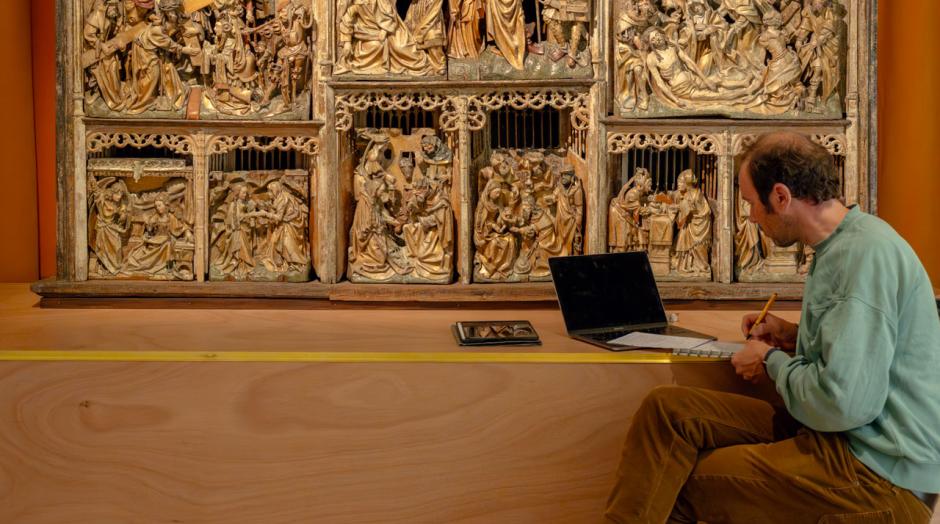
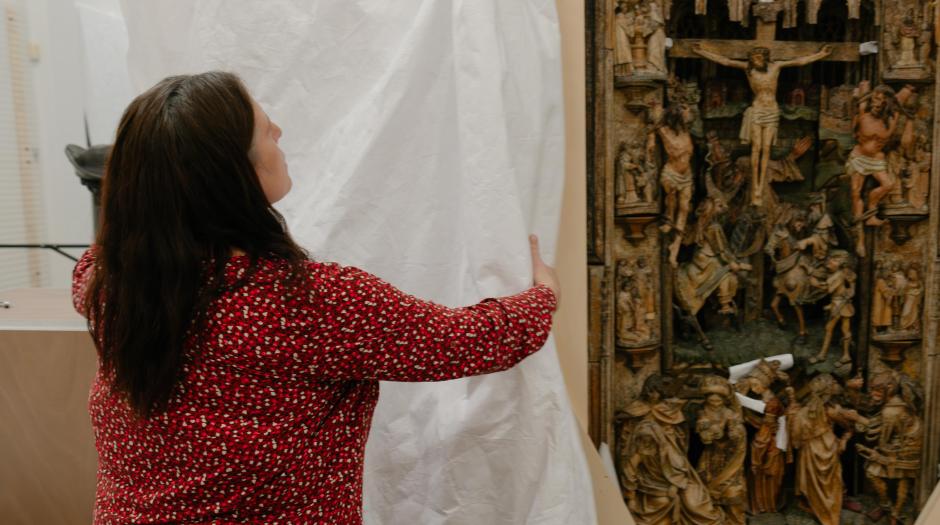
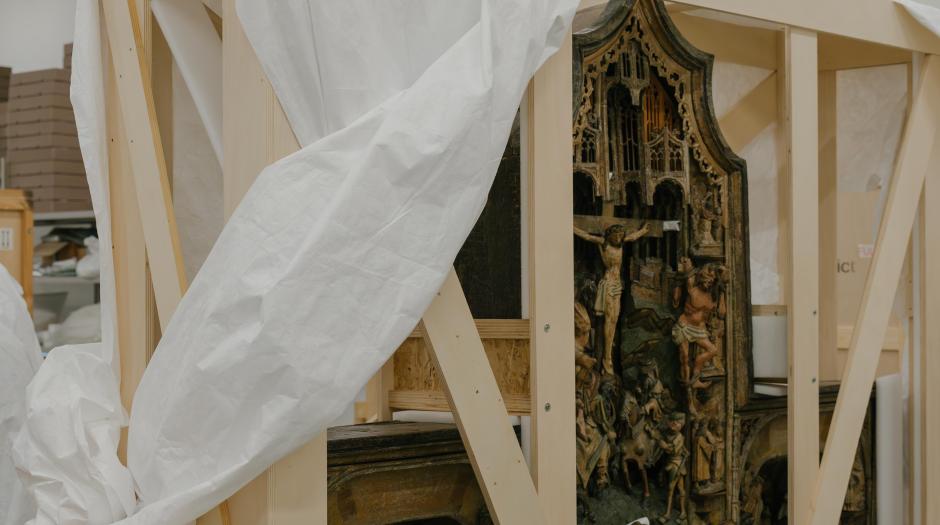
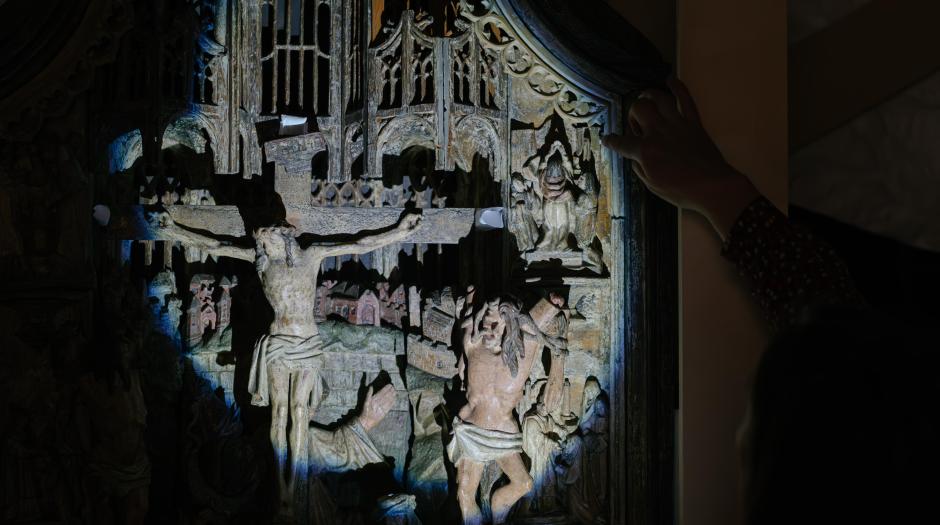
In Leuven’s medieval churches, altarpieces were once found in all shapes and sizes. Among these treasures, only one exceptional sculpted example has survived: the Passion Retable. From June 2024, it will (once again) be part of M’s collection presentation. Visitors will be able to follow the restoration of this five-hundred-year-old masterpiece and the related research.
Step-by-step research
Marjan Debaene, chief curator of old masters, has led this initiative: ‘For years, we have harboured a desire to investigate the Passion Retable. Thanks to the support of our M-Art patrons, we are finally making this dream a reality. The retable still holds a wealth of information, and it conceals many mysteries. To reveal all this, we are carrying out extensive preliminary research before the restoration process begins.’
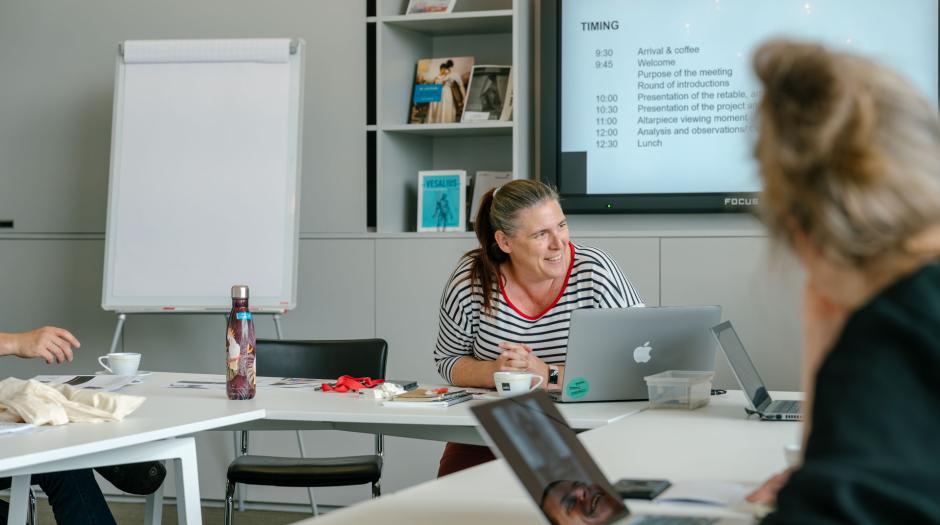
The plans for this were drawn up last year, and the research questions were formulated in collaboration with a scientific research committee. In what state is the retable now? What needs to happen in the next research phase? How can we facilitate further knowledge sharing? The panel answered these questions.
In 2025, the time for action has finally arrived. Two types of research will now be conducted: a material and technical study, and an art historical one. Below you will find an update on both.
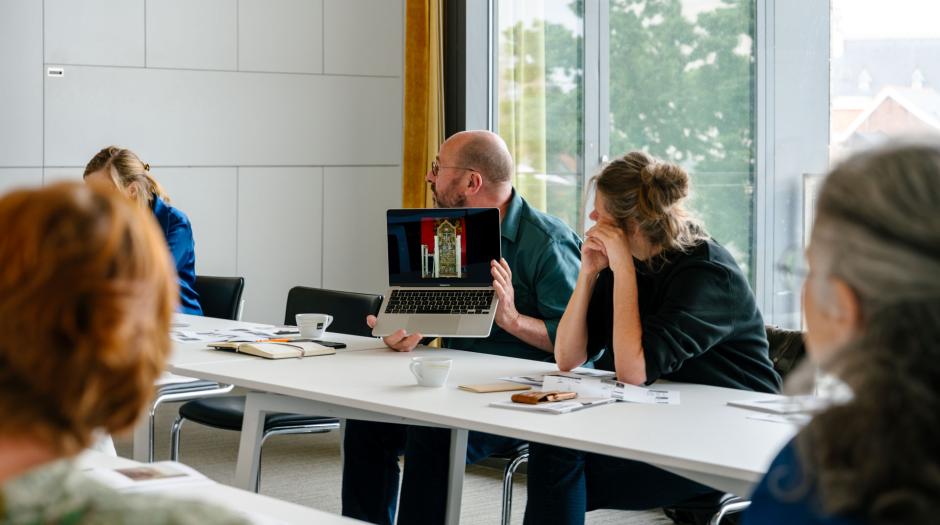
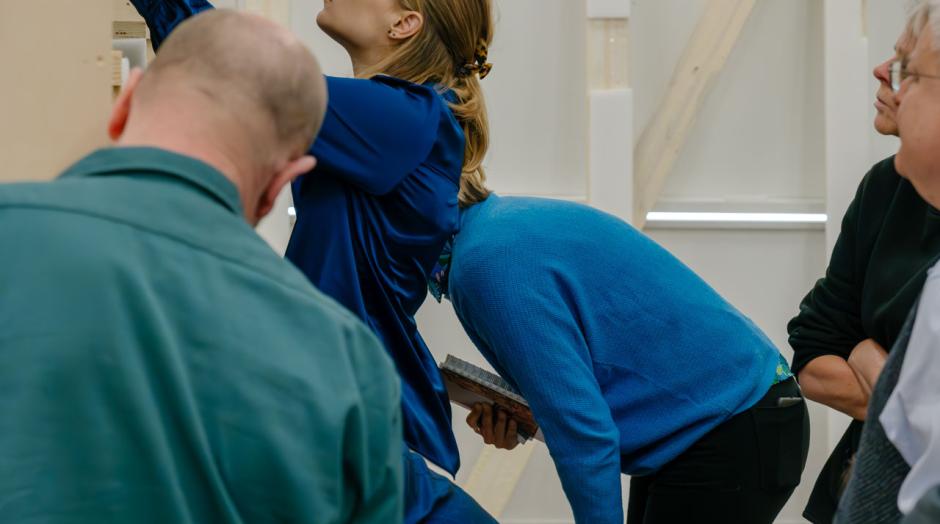
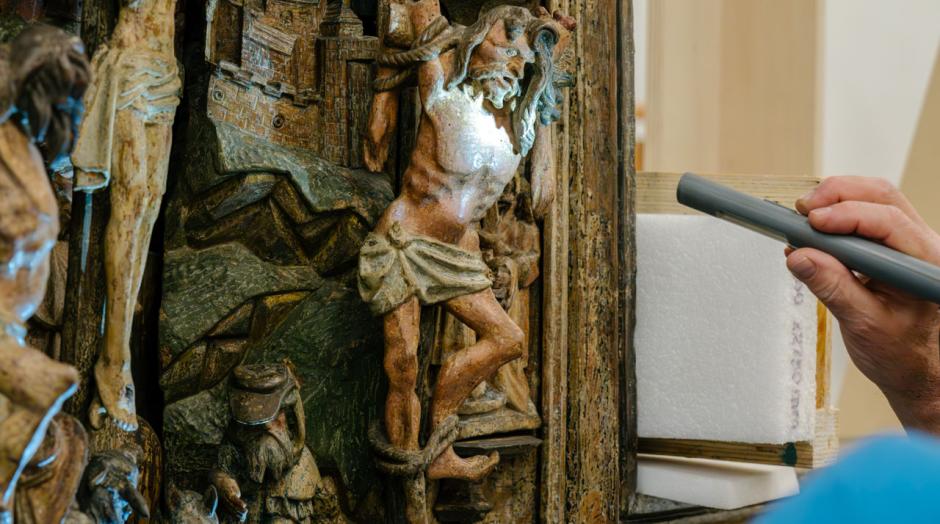
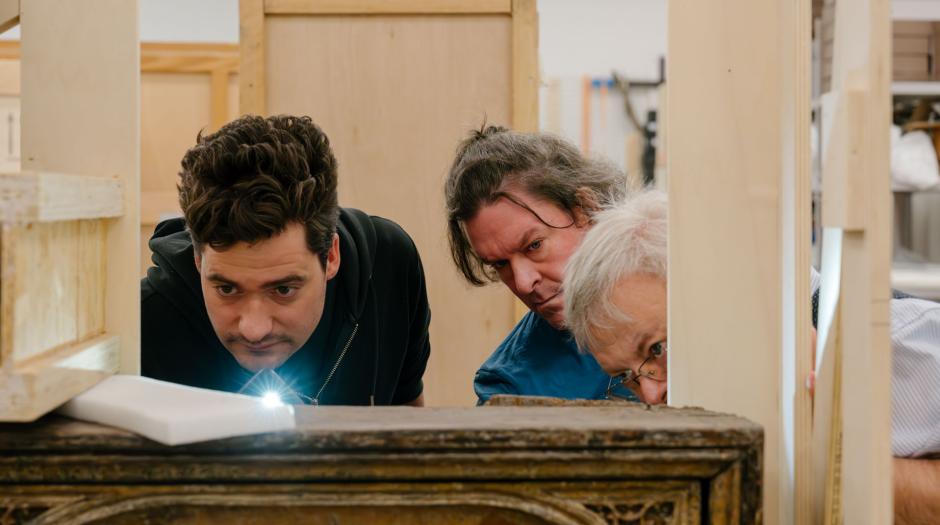
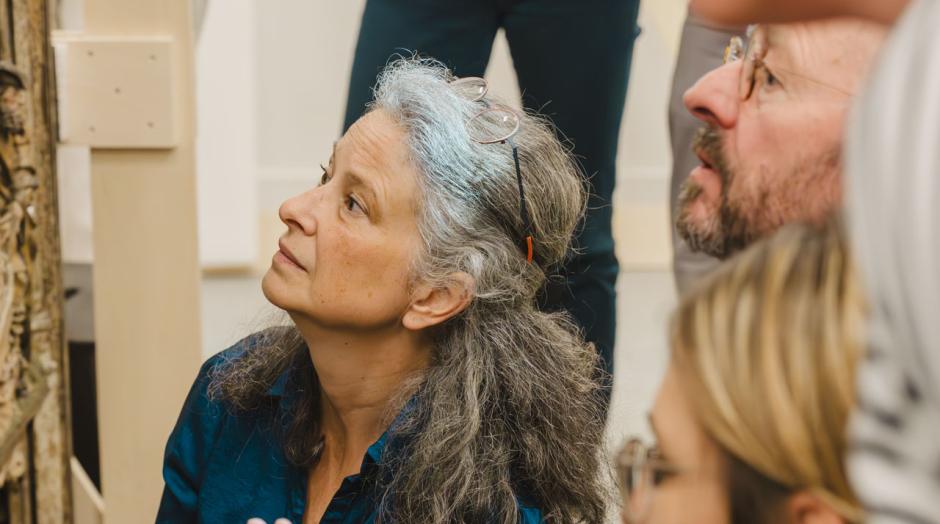
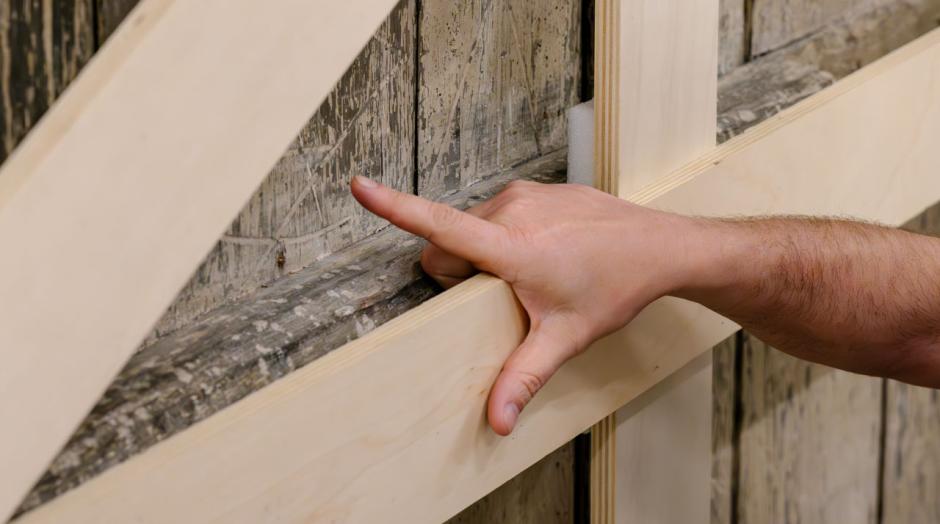
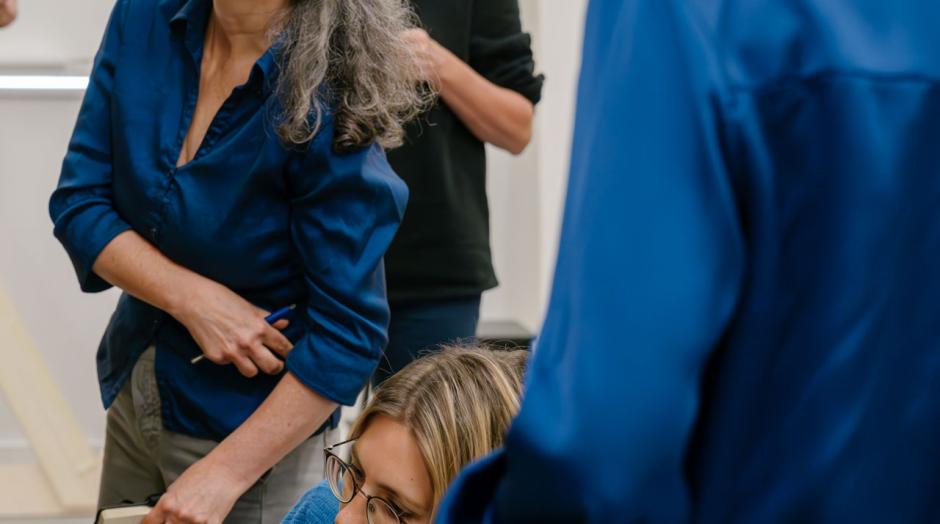
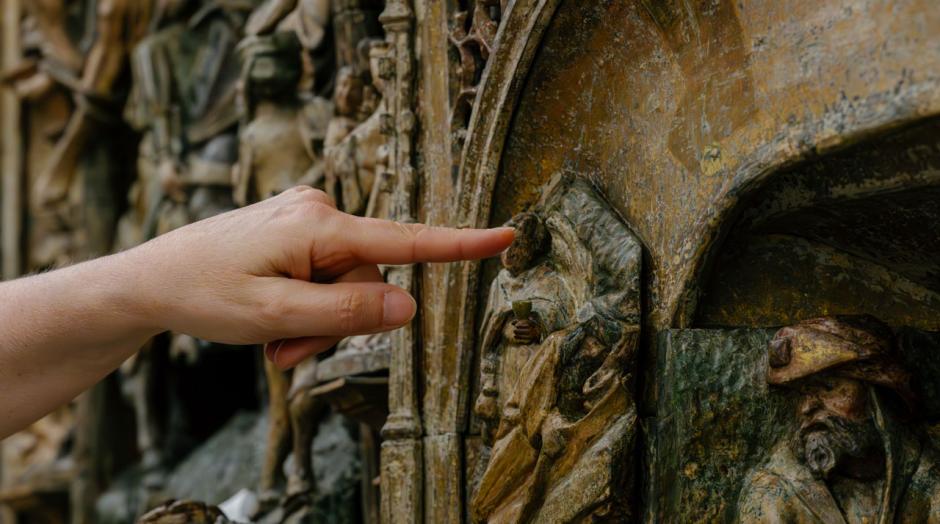
The material-technical study
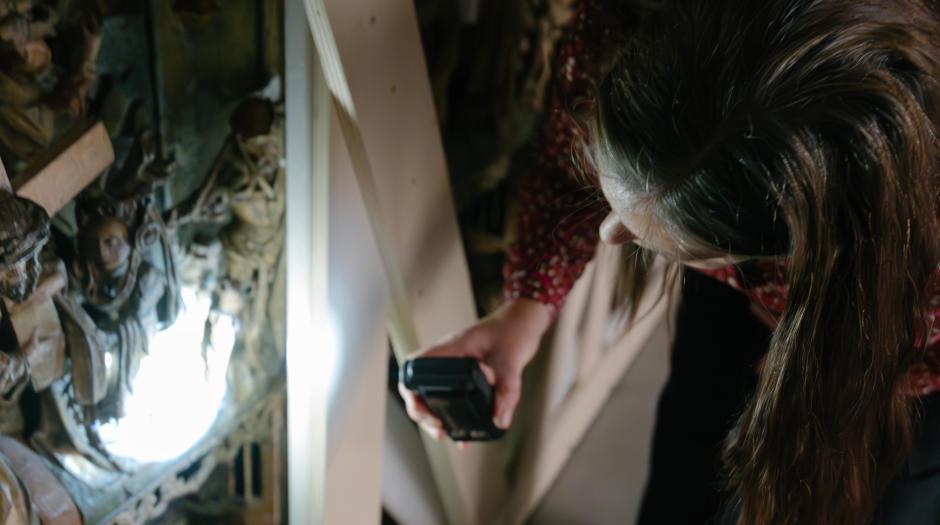
The Passion Retable is made up of numerous small fragments and is covered in multiple layers of paint and varnish. This makes the cleaning and restoration process more challenging. First, we need a detailed material-technical study. Only after every fragment and layer has been thoroughly mapped can we start. To do this, we needed a partner who could carry out this meticulous work. We selected IPARC. You will often see restorer Stijn Lenaerts in the room over the next few months, as he studies the retable.
Recently completed work:
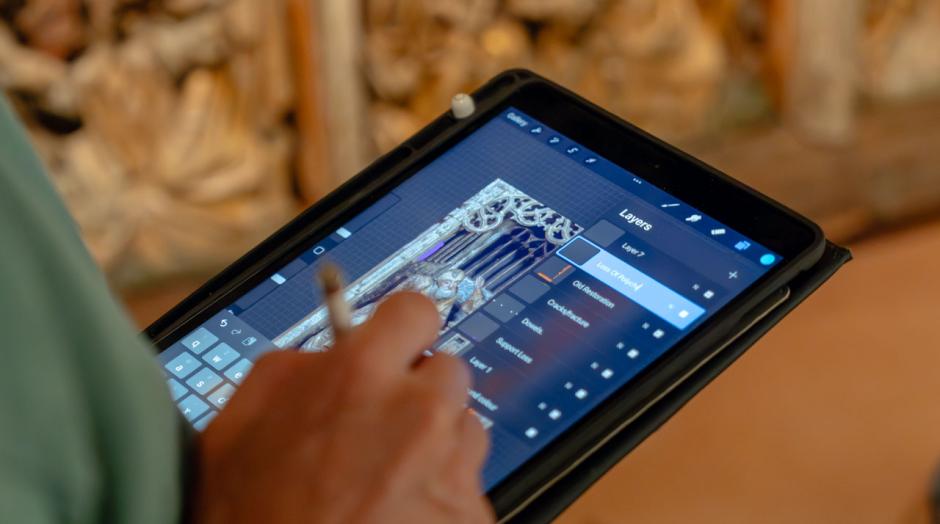
- Condition mapping: we have documented the state of the retable. Not only as a whole, but every square centimetre.
- Photography: we will take pictures for the archive before, during and after restoration, allowing us to digitally ‘unlock’ the retable.
The next steps:
- Before cleaning the entire retable, we will conduct cleaning tests on two small fragments to assess the cleaning process and the result. This allows us to develop a strategy for the remainder of the altarpiece.
- For the same two fragments, digital designs are made with detailed retouching proposals. This technique helps us identify the specific layer where cleaning should end.
- Restoration procedure proposal: A detailed description of the recommended procedure. This includes a proposal for the necessary documentation and research to ensure a successful restoration.
- A detailed outline of the steps needed to perform the operation in the designated space, as well as a strategy.
- Ideally, we will use a 3D laser scanner to digitally record the entire retable.
This spring, the focus is on detailed mapping of the work using high-resolution photographs. In May, our expert panel will convene to review the initial findings. Only once the preliminary research is completed and it is clear which materials and techniques are needed can experts determine the precise restoration method for the retable.
Art-historical research
We go beyond just examining the retable itself. We delve into archives for information, compare it to other works, and analyse the relevant literature. This helps us understand the altarpiece better and to situate it historically.
Current knowledge:
The retable probably originally stood on the high altar of the Augustinian monastery’s chapel, located at the Hertogensite in the Brusselsestraat. In the 18th century, it was replaced by a painting, which was more fashionable at the time, and was moved to the infirmary. We know this thanks to an inventory from 1847, which meticulously lists all the paintings, sculptures, and works of art in Leuven.
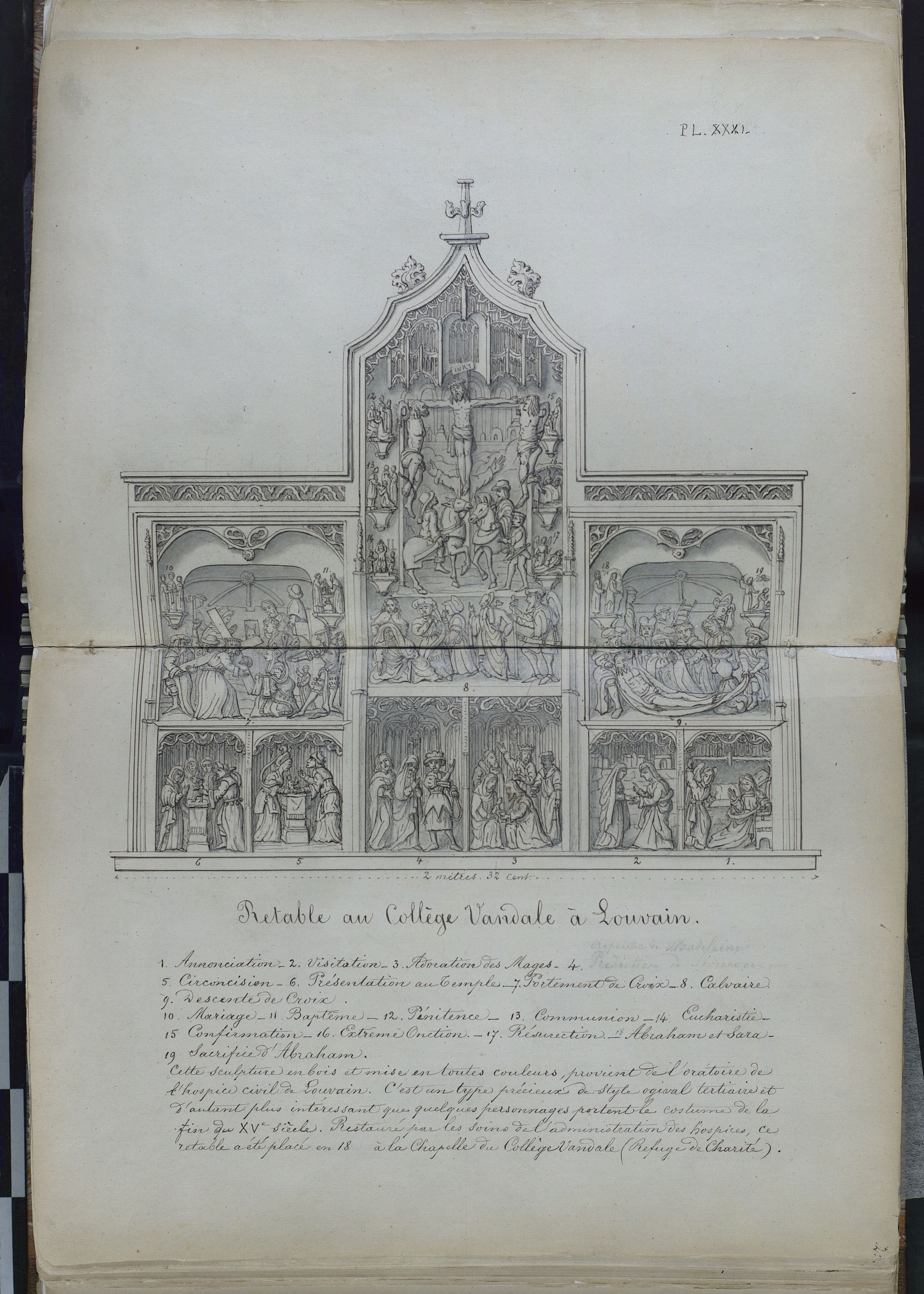
After the chapel and the infirmary, the altarpiece was moved to several different locations in Leuven. It is shown on an 1880 drawing of the Van Dale College, kept in the Leuven city archives. There are also some old photographs of the artwork at the Van Dale College, the Great Beguinage, and the Municipal Museum Van der Kelen – Mertens (now M).
The analysis of these images reveals not only the various locations in which the retable has stood, but also how the scenes have changed places multiple times. This is particularly evident during the Great Beguinage period and the transition to the museum collection, where it appears that several scenes were relocated. Together with the restorer, we are now investigating whether we can determine the 16th-century location of each scene based on material properties.
We continue to search for information about the acquisition of the artwork in the 16th century. Our quest has begun in the Leuven archives, but the Antwerp archives may also hold relevant data. The retable’s markings conclusively prove that it was produced in the latter city.
Stijn Lenaerts from IPARC takes a closer look at the Passieretabel